Hardwood Lumber and Retail Shop Highlights, What You Can Buy and How It Is Made
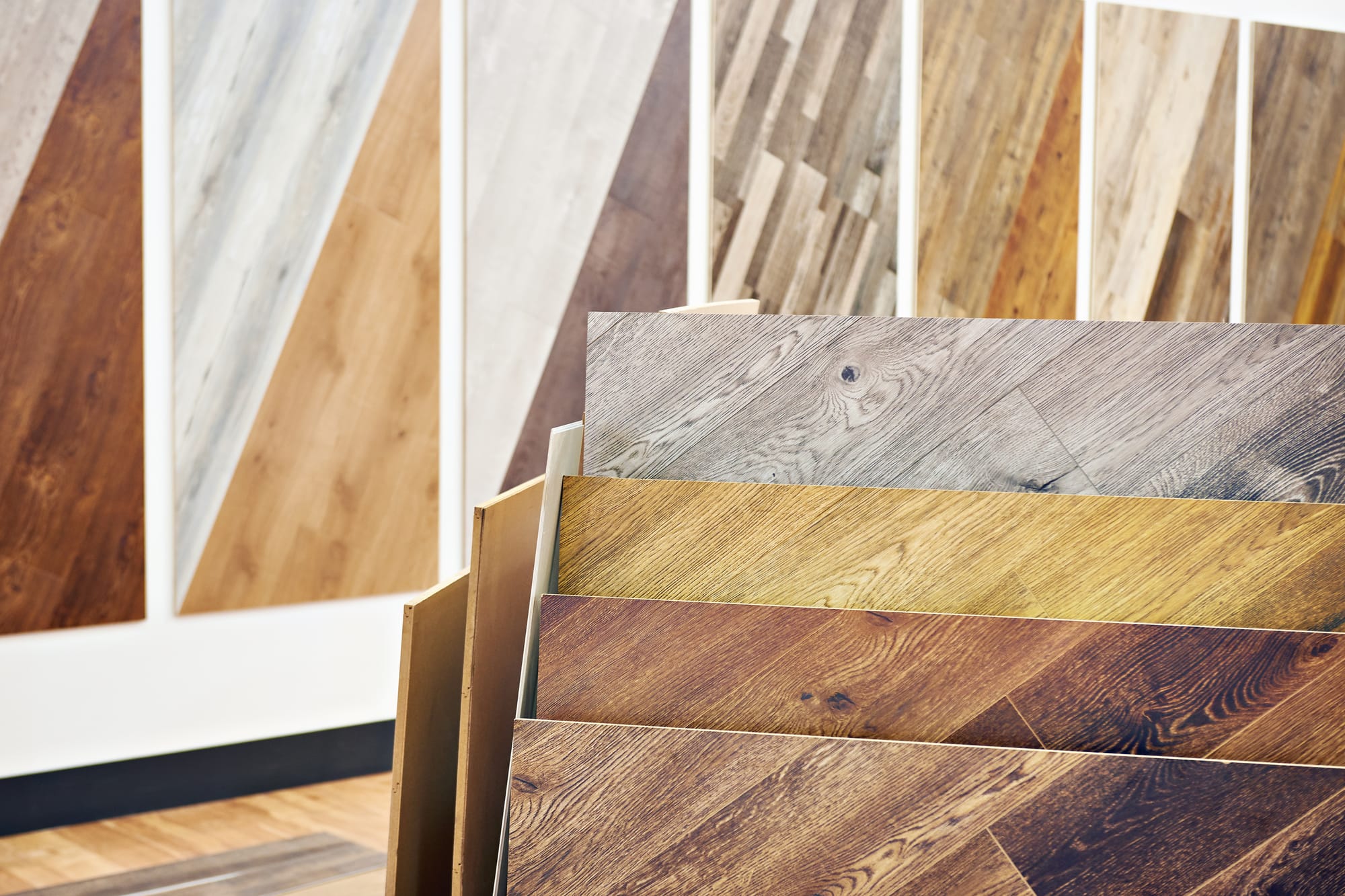
Hardwood lumber is the backbone of most fine woodworking projects, and the fastest way to get better results is to buy the right board in the right condition. At Forged Of Wood And Stone, a good retail hardwood selection lets you choose for color, grain, stability, and thickness, whether you are building furniture, cabinetry, shelving, trim, or small gifts.
What you can buy in a hardwood lumber retail shop usually falls into a few practical categories, each meant to save time or give you more design options.
- Rough sawn boards, lumber that is flat but not planed smooth. Best value and best for custom thickness milling.
- Surfaced lumber, commonly sold as S2S or S4S, meaning it has been planed on two sides, or planed and edge jointed on all four sides. Best when you want to build quickly.
- Thick stock, including 8/4, 10/4, and 12/4 boards for legs, posts, mantels, and carved parts.
- Live edge slabs, wide pieces that keep the natural edge, popular for tables, benches, and shelving.
- Turning blanks and carving blocks, smaller pieces sized for lathes, spoons, bowls, and sculpted work.
- Mouldings and trim components, ready for installation, or for matching existing profiles.
- Project packs and offcut bins, budget friendly options for smaller builds and practice pieces.
What to look for before you buy is simple, and it prevents most surprises in the shop. Check that boards are reasonably flat, with minimal twist. Look at both faces for knots, checks, and sapwood if you want consistent color. Ask for the moisture content, indoor furniture wood is commonly in the 6 to 10 percent range, depending on region and storage. If you are matching a previous build, bring a sample, photos in natural light, or at least a clear finish swatch so you can compare color and grain.
How hardwood lumber is priced is often by board foot. A board foot is a volume measure, 1 inch thick, 12 inches wide, 12 inches long. Retail shops may also price some items by the linear foot for surfaced boards, or by the piece for slabs, turning blanks, and cut to size parts. Knowing the pricing method helps you compare options fairly.
Shop highlights that matter to woodworkers are the services and inventory details that reduce risk and waste. A well run hardwood retail area typically offers clear species labels, thickness options, straight reference edges on surfaced stock, and a moisture controlled storage area. Many shops also provide milling services such as planing, jointing, ripping, and cross cutting so you can leave with parts closer to final size.
Common hardwood species you can expect include oak, maple, cherry, walnut, ash, hickory, and poplar. Each species has a feel and purpose. Maple is hard and clean for modern looks. Cherry darkens with exposure to light and finishes beautifully. Walnut offers rich color and easy workability. Oak is strong with bold grain that suits traditional and mission styles. Poplar paints well and keeps costs down for built ins and utility pieces.
How hardwood lumber is made starts long before a board reaches the retail rack. Understanding the process helps you understand why two boards of the same species can behave differently.
- Harvesting and logs, trees are selected and cut, then transported as logs. Some suppliers prioritize responsible forestry and local sourcing.
- Sawing at the mill, logs are broken down into boards. The sawing method affects grain and stability. Plain sawn boards show cathedral grain. Quarter sawn and rift sawn boards are often more stable and show straighter grain, sometimes with ray fleck in species like white oak.
- End sealing and handling, fresh boards can crack at the ends as they dry. Many mills seal ends to slow moisture loss.
- Drying, wood is dried by air drying, kiln drying, or a combination. Kiln drying speeds the process and helps reduce insects, and it brings moisture content down to levels suitable for indoor projects.
- Grading, boards are evaluated for clear yield, knots, splits, and other features. Higher grade stock costs more because it produces more clear parts with less waste.
- Planing and surfacing, some lumber is left rough for flexibility, while other stock is surfaced to consistent thickness and smoother faces for faster use.
- Final selection at retail, boards are sorted and stacked. The best shops rotate inventory, store it flat with stickers when needed, and keep humidity stable.
Why drying and acclimation matter is that wood moves with humidity. Even kiln dried boards should acclimate in your shop for several days before final milling, especially for wide panels and table tops. A good workflow is to break down boards slightly oversized, let them rest, then mill to final thickness and width. This reduces warping after you have already cut joinery.
What you can make with what you buy depends on thickness, grain, and stability. Rough 4/4 stock is ideal for cabinet parts and panels after milling. 8/4 stock is a go to for legs and thicker shelves. Quarter sawn boards are excellent for doors and face frames when you want straight grain and less seasonal movement. Slabs are best reserved for designs that celebrate natural variation, including knots and sapwood.
Smart questions to ask in the shop include: What is the moisture content range right now. Is this lumber kiln dried or air dried. What thickness does this board measure after surfacing. Can you mill to a target thickness. Do you have matching boards from the same flitch for color consistency. These small questions help you leave with wood that suits your tools, timeline, and final finish.
Bottom line, a hardwood lumber retail shop is more than a place to buy material, it is where good projects start. By choosing the right category of stock, checking moisture and defects, and understanding how boards are milled and dried, you can buy with confidence at Forged Of Wood And Stone and build pieces that stay flat, strong, and beautiful.